What Strong Partnerships Look Like in Practice
 What Strong Partnerships Look Like in Practice
In theory, partnerships are easy to define. Contracts are signed and responsibilities are set out on paper. In practice, strong partnerships are tested elsewhere; during busy periods, under operational pressure, and when the unexpected happens.
For organisations operating fleets in waste management, partnership is about how two organisations work together day to day to keep services moving. Based on years of experience working alongside local authorities and contractors, there are clear patterns in what makes partnerships genuinely effective in practice, and these patterns that are reinforced by direct feedback in a recent survey we held for our customers.
Longevity Matters, But It’s Not Enough on Its Own
Long-standing relationships are often a good indicator of success. Over time, suppliers gain a deeper understanding of how an operation really works, the quirks of individual depots, the pressure points in certain routes, and the realities of peak demand. This familiarity allows for better anticipation and fewer surprises.
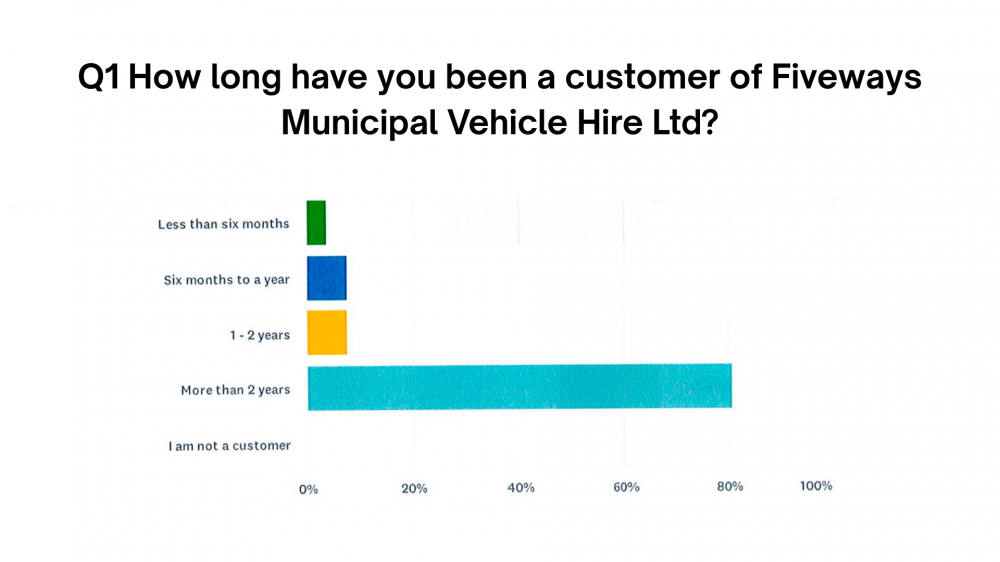
Recent customer feedback reflects this clearly, with the majority of our customers reporting relationships that extend beyond two years. That longevity suggests trust and consistency from both sies, but it is not enough on its own.
Relationships only remain effective when service standards evolve alongside operational needs. A partner that relies solely on “how it’s always been done” will quickly fall behind. The strongest partnerships combine knowledge with a willingness to adapt. They learn patterns of demand, understand where risks sit, and recognise when those patterns begin to change.
Communication That Works Under Real Conditions
“Good communication” is often cited as a priority, but in practice it means more than regular updates or polite emails.
Strong partnerships are characterised by clear updates when issues arise, honest conversations when solutions are not straightforward, and consistency between teams. When everyone is working from the same information, uncertainty is reduced and decisions can be made with confidence.
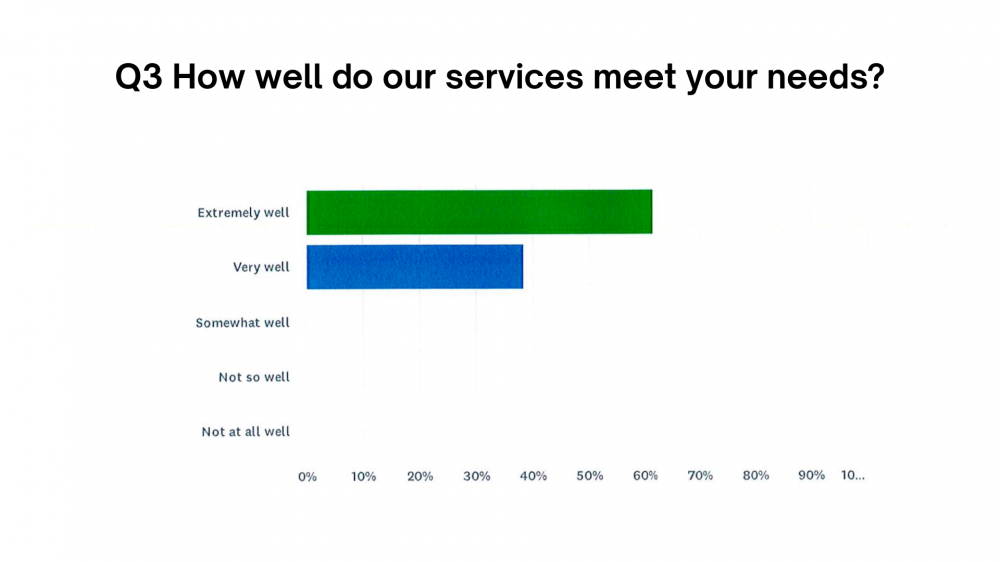
In the recent survey, communication and customer care were consistently rated as excellent, a reflection of how effective communication can build trust particularly during peak periods or when regulatory deadlines are involved. Communication does not remove problems, but it ensures they are managed collaboratively rather than reactively.
Responsiveness When It Actually Matters
Response times are often measured in minutes or hours, but true responsiveness is about understanding impact. Knowing which vehicles are critical to service continuity, which routes cannot be delayed, and where downtime will have the greatest knock-on effect allows partners to prioritise effectively.
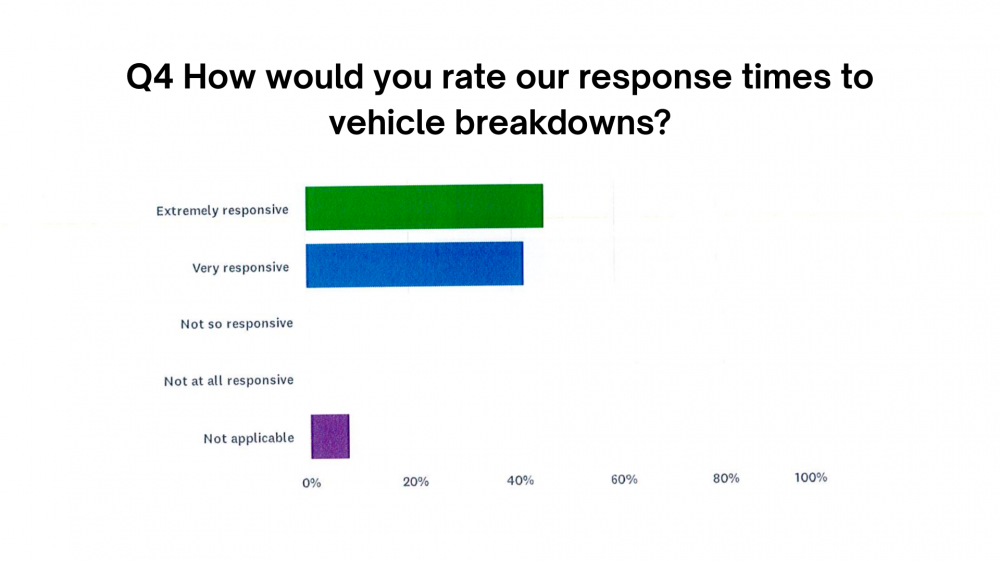
Feedback consistently highlights responsiveness as a defining factor of strong partnerships. Extremely responsive breakdown support and maintenance were repeatedly cited as strengths, not simply because issues were resolved quickly, but because they were handled with an understanding of operational importance.
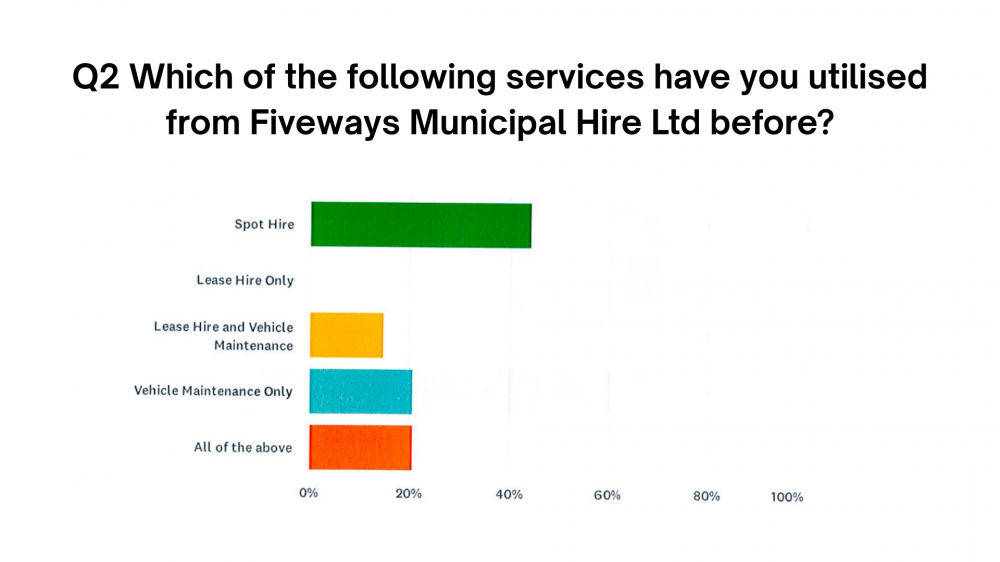
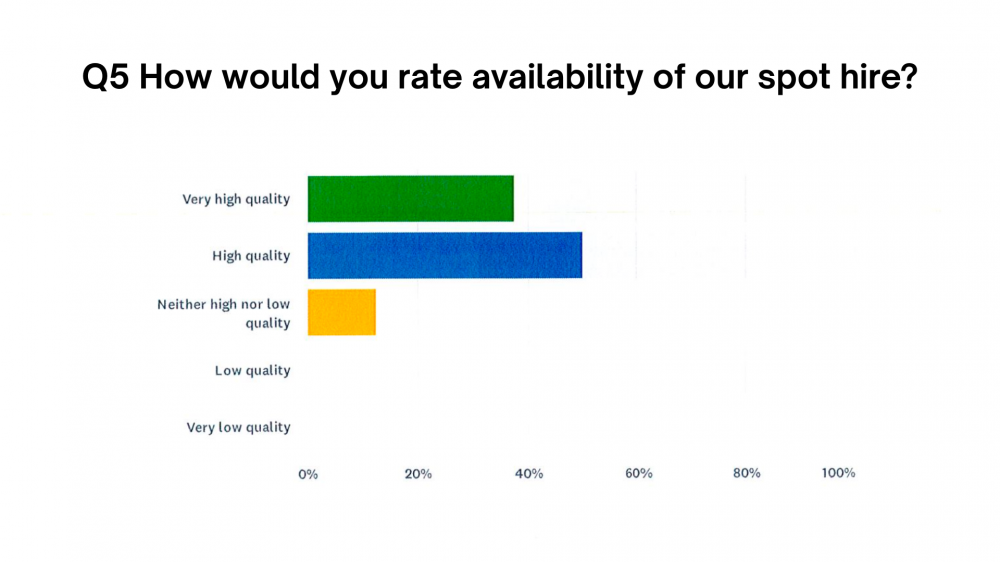
In strong partnerships, small issues are addressed early to prevent them becoming larger, more disruptive problems. Preventative maintenance, timely inspections and early fault identification all play a role in reducing unplanned downtime. Equally important is the ability to support customers when demand changes unexpectedly, whether that is through spot hire availability or last-minute operational support.
Listening and Evolving Together
Strong partnerships are not static. They evolve as regulations change, technology develops and customer expectations grow. Feedback plays a crucial role in this process.
The recent survey responses provided us with clear signals about what customers value; high availability of spot hire vehicles and satisfaction with servicing and MOT scheduling, but also where future opportunities may lie. Suggestions such as internal HGV valet cleaning or more opportunities to trial new products demonstrate the value of open dialogue in shaping service development.
Organisations that listen carefully to customer experience are better positioned to refine their services, introduce meaningful improvements and respond to emerging operational needs. Openness to change on both sides helps partnerships remain relevant and resilient, rather than rigid or transactional.
Shared Responsibility and Mutual Accountability
Effective partnerships work both ways. Clear expectations, transparency around costs and limitations, and shared accountability are essential to maintaining trust.
When both parties understand their responsibilities and constraints, discussions become more constructive and outcomes more predictable. A shared focus on safety, compliance and reliability creates alignment, even when challenges arise. This mutual accountability is often reflected in strong satisfaction scores around value for money, not because services are inexpensive, but because they are dependable and fit for purpose.
What Strong Partnerships Enable
When partnerships function well, the benefits are substantial. Downtime is reduced, fleet planning becomes more effective, compliance processes run more smoothly, and organisations are better equipped to manage peak demand.
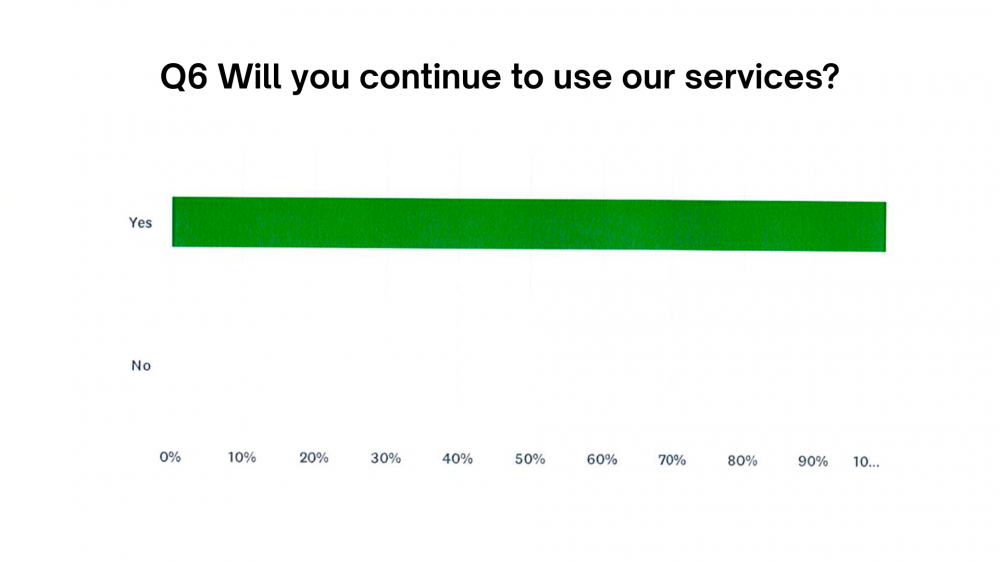
Perhaps most importantly, strong partnerships provide resilience. They allow operators to focus on delivering essential services, confident that support is in place when it’s needed most. Our survey results reinforce this, with a clear intention to continue working together ,an indication of partnership strength in practice.
Final Thoughts
In an industry where reliability matters and pressure is constant; partnership is not a one-off agreement. It is an ongoing commitment to working together, listening carefully and adapting to keep services moving.
Strong partnerships are built through consistency over time, and when the balance is right, the results speak for themselves.